








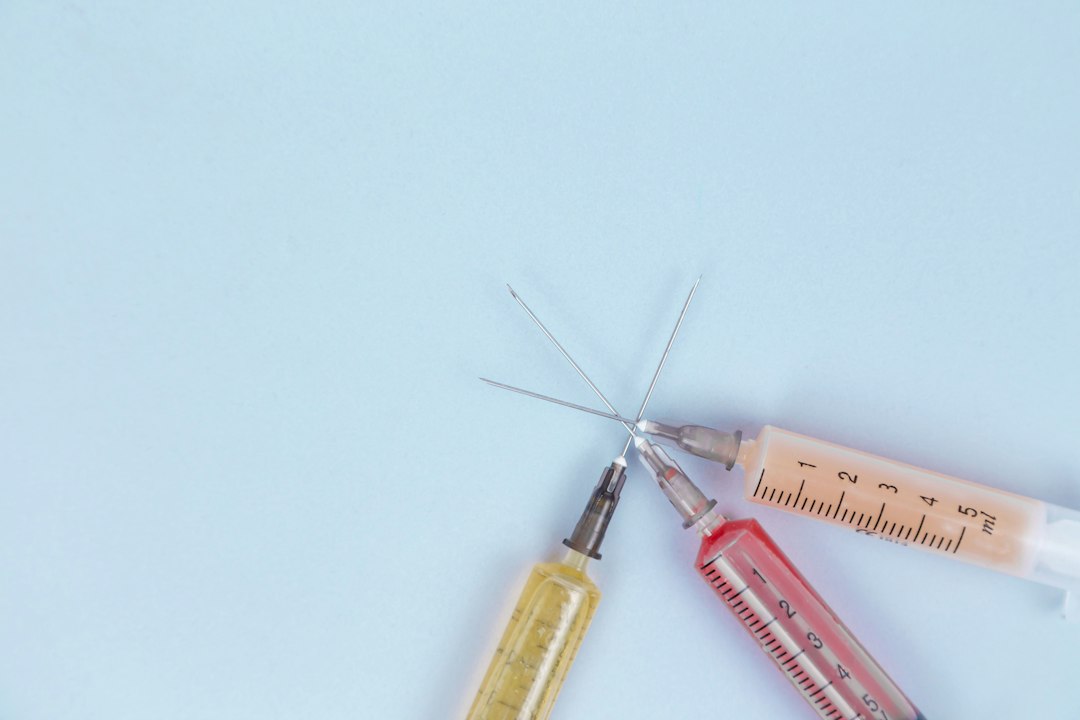
Peptide research continues to expand across laboratories studying metabolic function, tissue repair, and cellular health. Among the many methods used to administer research compounds, peptide injections remain one of the most studied delivery techniques due to their precision and reliability in controlled settings. This method allows researchers to introduce compounds directly into test environments, enabling consistent observation of biological responses. As interest in peptide science grows, many people search for clear, professional information about how these compounds are studied and why injection-based methods are so widely used in laboratory work.
This article answers some of the most common questions researchers and newcomers to the field often ask about peptide injection methods, purity standards, and best practices for responsible, research-only use.
What Are Peptide Injections Used For in Research?
Peptide injections are primarily used in controlled laboratory environments to study how specific peptide chains interact with cells, tissues, and biological systems. Researchers rely on injection-based delivery because it allows for more accurate dosing and observation compared to other methods. This precision is especially valuable when studying compounds related to metabolic research, tissue research, or longevity research, where even small variations can affect experimental outcomes.
Why Do Researchers Prefer Injectable Peptides Over Other Forms?
Injectable peptides are favored in research settings because they bypass certain biological barriers that can affect oral or topical application. This allows scientists to observe more direct interactions between the compound and the biological system under study. For laboratories focused on reproducible results, injectable delivery offers a consistent method that minimizes variability between trials.
How Is Peptide Purity Verified Before Use in Research?
Purity verification is one of the most important steps in any peptide research process. Reputable suppliers test each batch using advanced laboratory techniques such as High-Performance Liquid Chromatography (HPLC) and Mass Spectrometry (MS). These methods confirm both the identity and purity of a compound, giving researchers confidence that their results are based on accurate, high-quality material. A Certificate of Analysis (COA) is typically provided for each batch, offering transparency and traceability throughout the research process.
What Should Researchers Look for When Sourcing Peptides?
When sourcing peptides for laboratory work, researchers should prioritize suppliers who provide clear documentation, including batch-specific COAs and transparent sourcing practices. Proper labeling, secure packaging, and consistent quality across batches are also essential indicators of a trustworthy supplier. Working with a dependable source helps ensure that experimental results remain accurate and reproducible over time.
Are Peptide Injections Safe for Research Applications?
Within a controlled laboratory setting, peptide injections are considered a standard and widely accepted method for research purposes. However, it is important to emphasize that these compounds are intended strictly for laboratory and scientific research. They are not intended for human consumption, medical treatment, or veterinary use. Researchers should always follow proper laboratory protocols, including appropriate handling, storage, and disposal procedures, to maintain both safety and research integrity.
What Role Does Proper Storage Play in Peptide Research?
Storage conditions can significantly influence the stability and effectiveness of research peptides. Many compounds require refrigeration or specific temperature control to maintain their structural integrity. Researchers should always follow supplier guidelines regarding storage, reconstitution, and shelf life to ensure that experimental results remain accurate and unaffected by compound degradation.
Final Thoughts on Peptide Injection Research
As the field of peptide science continues to evolve, injection-based research methods remain central to studying metabolic, tissue, and longevity-related compounds. Choosing a transparent, quality-focused source for research peptides ensures that laboratory work is supported by reliable, verifiable data. For researchers seeking consistency and documentation, prioritizing suppliers with strong purity testing and clear batch records remains a foundational step toward credible scientific outcomes.
Key Points
- Peptide injections are primarily used in controlled laboratory environments to study interactions with cells, tissues, and biological systems.
- Researchers prefer injectable peptides because they bypass biological barriers that affect oral or topical applications, allowing for direct observation of interactions.
- Quality assurance in peptide research includes testing batch purity through methods like High-Performance Liquid Chromatography (HPLC) and Mass Spectrometry (MS).
- When sourcing peptides, researchers should select suppliers that provide batch-specific Certificates of Analysis (COAs) and ensure proper labeling and packaging.
- Peptide injections in research are considered safe when conducted in controlled laboratory settings, but they are not intended for human consumption or medical use.
- Proper storage conditions are vital for maintaining peptide stability, and researchers must adhere to supplier guidelines for storage and shelf life.