
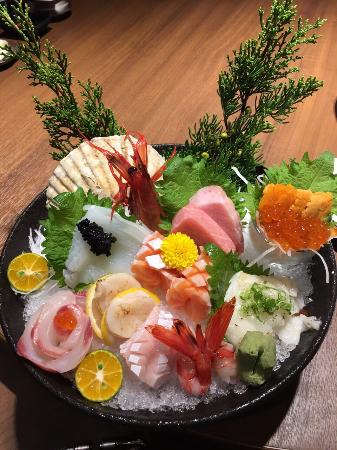
In today’s competitive food industry, speed matters. Recent surveys indicate that marketing campaigns with high-quality visuals launch 40% faster than those relying solely on traditional photography. Ready-to-use food images provide a solution by allowing marketers to instantly access professional visuals without the delays of photo shoots, editing, or approvals. This efficiency ensures campaigns stay timely and relevant, especially during seasonal promotions or limited-time offers.
How Do Ready-to-Use Food Images Maintain Visual Quality?
Maintaining visual appeal is crucial for customer engagement. Statistics show that dishes presented with appealing images are 70% more likely to be selected by consumers. Ready-to-use food images leverage advanced imaging techniques to replicate professional photography standards, including proper lighting, realistic textures, and vibrant colors. These images are optimized for digital platforms, ensuring they look polished across websites, social media, and email campaigns.
What Impact Do Instant Food Visuals Have on Campaign Performance?
Marketing data reveals that campaigns featuring ready-to-use food visuals see an average 25% increase in click-through rates and a 30% boost in engagement. Visual content helps customers quickly understand the product, encouraging faster decision-making. For fast-moving campaigns, such as flash sales or social media promotions, having access to instant food images ensures marketers can respond to trends and customer demands without losing momentum.
Can Ready-to-Use Images Reduce Marketing Costs?
Traditional food photography often involves expenses for professional photographers, stylists, props, and editing, which can quickly escalate for large campaigns. Research shows that businesses using ready-to-use visuals can reduce content creation costs by up to 60%. These images eliminate the need for repeated photoshoots while maintaining high visual standards. Furthermore, the reusable nature of these visuals allows marketers to adapt them across multiple campaigns with minimal additional effort or cost.
How Do Instant Food Images Support Brand Consistency?
Consistency in visuals reinforces brand identity. Studies indicate that consistent branding across marketing channels improves customer recognition by over 80%. Ready-to-use food images provide a uniform style, lighting, and presentation for all campaign materials, helping maintain a cohesive brand image. This consistency ensures that whether customers see a dish on social media, a website, or in an email, they experience the same quality and style that reflects the brand’s personality.
Are Customers Responding Positively to Ready-to-Use Food Visuals?
Customer response to high-quality food visuals is significant. Surveys highlight that 65% of consumers are more likely to try a dish after seeing an attractive image. Ready-to-use visuals not only present food appealingly but also convey reliability and professionalism, increasing consumer trust. By showcasing products in an appetizing manner, these visuals influence purchasing decisions, both online and in-store, while encouraging customer interaction with promotional content.
What Trends Are Emerging in Food Visual Marketing?
The future of marketing visuals is moving towards efficiency and realism. Analysts predict that by 2027, over 60% of food brands will rely on instant, high-quality visuals for digital marketing campaigns. Technologies such as AI-generated and 3D-rendered images are becoming increasingly prevalent, allowing for interactive, immersive experiences. These innovations will make it easier for brands to keep their marketing content fresh, responsive, and aligned with consumer expectations.
In conclusion, ready-to-use food images are transforming marketing execution by providing instant access to high-quality visuals. They enhance campaign speed, reduce costs, ensure brand consistency, and increase customer engagement. As marketing demands continue to grow, these visuals are becoming an essential tool for food brands looking to respond quickly, professionally, and effectively in a competitive landscape.